
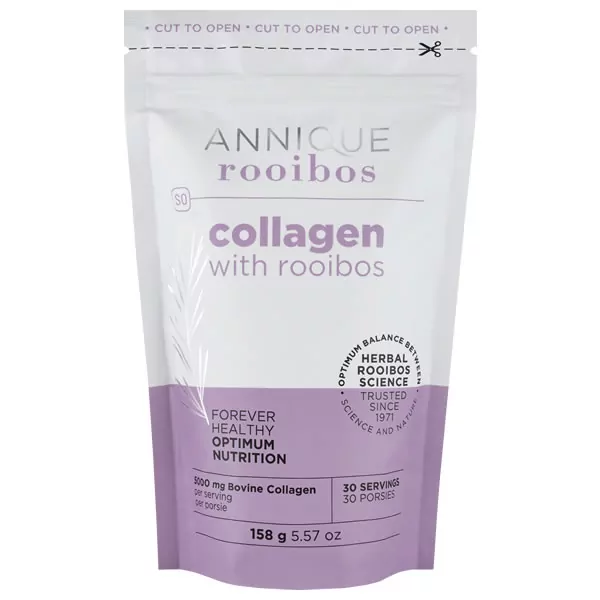

Collagen should be used for dogs to support joint health, skin/coat, and recovery, especially for seniors, large breeds, active dogs, or those with arthritis, but even young dogs benefit from it as a preventative for age-related issues and to aid growth and development, though a vet consult is always best before starting any supplement. Signs it might be needed include stiffness, slowing down, dull coat, or slower healing after exercise.
When to use collagen for dogs:
- For Seniors: To combat natural collagen decline, supporting mobility and slowing age-related stiffness and joint discomfort (osteoarthritis).
- For Active/Working Dogs: To support tendons, ligaments, and muscle recovery after strenuous exercise or intense training (agility, hunting).
- For Large/Rapidly Growing Breeds: To support healthy joint development from a young age (puppies) and prevent early deterioration.
- For Skin & Coat Health: To maintain skin elasticity, hydration, and promote a shiny coat.
- For Recovery: To aid tissue regeneration and support healing after injury, illness, or surgery.
- As a Preventative: Even young, healthy dogs can benefit to proactively support joints and offset future problems.
Signs your dog may need collagen: - Stiffness, lameness, or reluctance to jump/climb.
- Slower to rise after resting.
- Reduced activity levels or slowing down during play.
- Dull coat or dry, flaky skin.
Key takeaway:
Consult your veterinarian before adding collagen, as they can help determine if your dog needs it and recommend the right type and dosage for their specific needs, from puppy maintenance to senior joint support.
Dogs should avoid or use caution with collagen if they have kidney disease, are pregnant/nursing, have known allergies to the collagen source (fish, beef, etc.), or show signs of digestive upset (diarrhea, gas) or other adverse reactions, always requiring a vet consultation before starting any supplement to ensure it’s safe and dosed correctly, especially with other medications.
When to Exercise Extreme Caution/Avoid:
- Kidney Disease: Collagen is a protein, and dogs with kidney issues need controlled protein intake; excessive amounts can strain struggling kidneys.
- Pregnancy/Nursing: There’s limited research, so consult a vet before giving it to pregnant or nursing dogs.
- Allergies: If your dog is allergic to the source (e.g., fish, chicken, beef), avoid that type of collagen. Watch for itching, swelling, or hives.
When to Monitor Closely (Consult Your Vet): - Digestive Issues: While often helpful, start with a small dose to prevent diarrhea, bloating, or gas.
- Other Health Conditions: Always talk to your vet first if your dog has diabetes, liver issues, or takes other medications.
- Medication Interactions: Inform your vet if your dog is on NSAIDs, blood thinners, or immunosuppressants, even if direct interactions are rare, to manage overall care.
General Best Practices:
Start Slow: Begin with a small amount and gradually increase while watching for side effects.
Quality Matters: Choose high-quality, human-grade, additive-free collagen from a reputable brand.
Hydration: Ensure your dog drinks enough water to prevent harder stools.
Forever Healthy Rooibos Collagen 158g Pouch
Collagen is one of the most popular supplements currently, and with good reason. This powerhouse supplement provides many health benefits.
What is Hydrolysed Collagen?
Hydrolysed collagen, also known as collagen peptides, is a form of collagen that has been broken down into smaller, easily digestible peptides. This process makes it more bioavailable, meaning it can be absorbed efficiently by the body.